

Casanare boasts sixteen ecosystems encompassing plains, high plains, Andean rainforests, and páramo (high-altitude moorland). Cattle ranching is the region's most important economic activity.
Oil exploitation in the municipalities of Aguazul and Tauramena and in the fields of Cusiana and Cupiagua has been of great importance in recent years, as well as agriculture, mainly with the cultivation of rice, plantain, cassava, African palm, fruit trees and cotton.
The Casanare native is an expert craftsman, hunter, and fisherman; he is known for his construction of thatched huts and is traditional in celebrating religious festivals such as Holy Week, the festival of Saint Rita, the day of the Holy Cross, and Christmas.
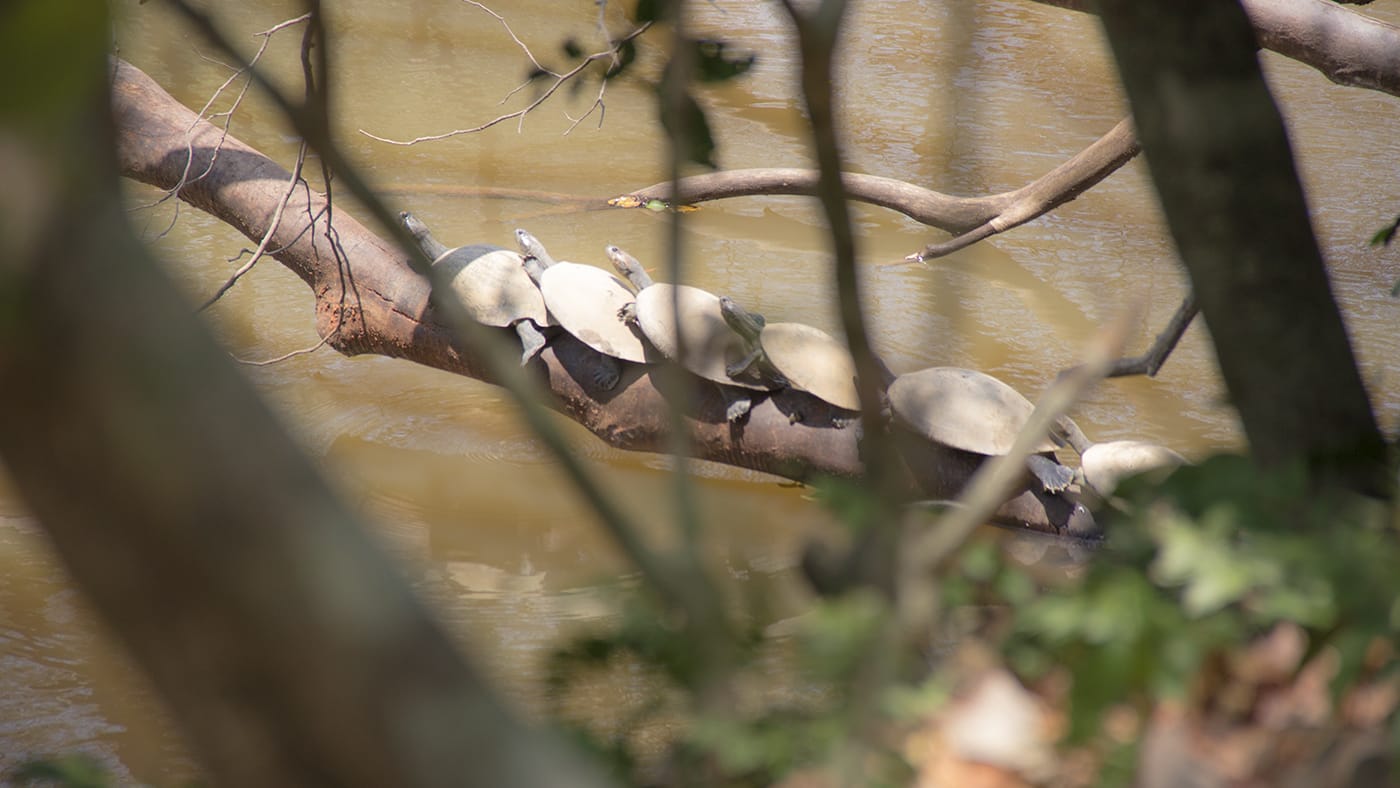
Typical wildlife in this region includes the white-tailed deer, capybara, scarlet ibis, howler monkey, as well as the jaguar, the black anaconda, the Orinoco crocodile, and the four-nosed viper. The Orinoco region is also home to more than 300 species of birds, mostly aquatic.
The Orinoquía region is made up of diverse ecosystems, including plant formations corresponding to moorlands, forests, shrublands, savannas, lagoons, rivers, and anthropized habitats.
The flora of this region is mostly concentrated within El Tuparro National Natural Park, a designated Biosphere Reserve. The savannas, rivers, crystal-clear streams, and especially the gallery forests are an unparalleled tourist attraction.

Ganado Nelore

Oso Hormiguero

Venado Cola Blanca

Nidos de pajaros Arrendajos

Tortuga Sabanera
BIODIVERSIDAD
Water Sources
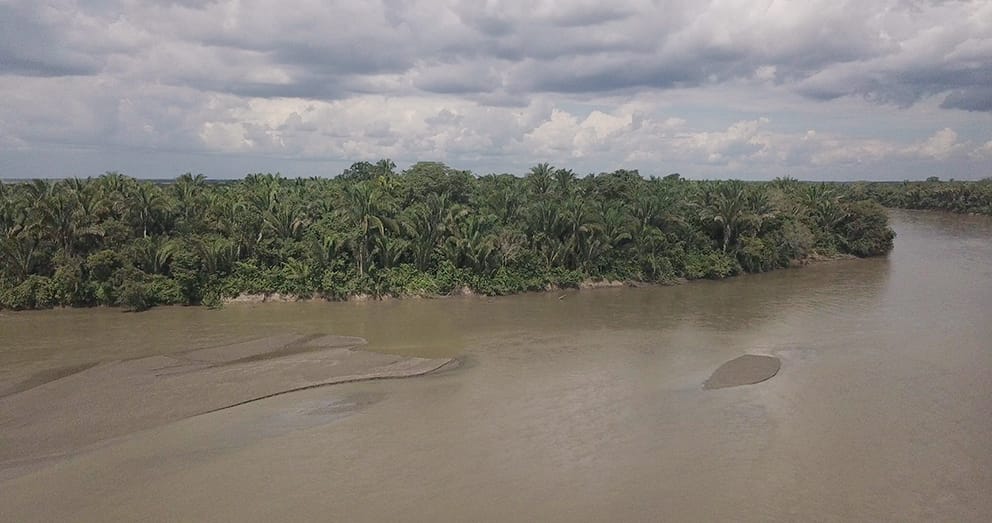
The abundance of waterways is one of Casanare's main strengths. Numerous rivers, streams, lagoons, and wetlands form an intricate network that provides the plainsmen with excellent biodiversity of flora and fauna and serves as a means of communication and transportation during the rainy season. The Cravo Sur River, or Cravosur […]
Conservation
The Cravo Sur River and the Canacabare Creek are vital arteries of the plains, sources of life and diversity, a common place in the hearts of the plainsmen, inspiring songs and poems, a natural example of grandeur that does not succumb to adversity and threat. It is everyone's responsibility to recognize their boundless generosity by protecting their depths and allowing life to flourish so that their waters may once again flow freely and irrigate this beautiful land of opportunity with hope. These two water sources are the mainstays of Savanna Orinoquía Lodge, which is situated right between them.